6 Things Homeowners Should Know Before Replacing a Roof
Replacing a roof is one of the most important investments a homeowner can make, affecting everything from comfort and energy efficiency to property value and long-term durability. A new roof protects your home from harsh weather, improves curb appeal, and ensures structural integrity for years to come. Because of the scope and cost of this project, it is essential to understand every step before committing to a replacement. Working with experienced residential roofing contractors can help homeowners navigate complex choices, avoid costly mistakes, and achieve lasting results. By learning about materials, costs, contractor selection, ventilation, maintenance, and home value, you can approach roof replacement with confidence and clarity. This guide explores the six most important considerations every homeowner should understand before beginning the process.
1. Roofing Material Options and Their Benefits
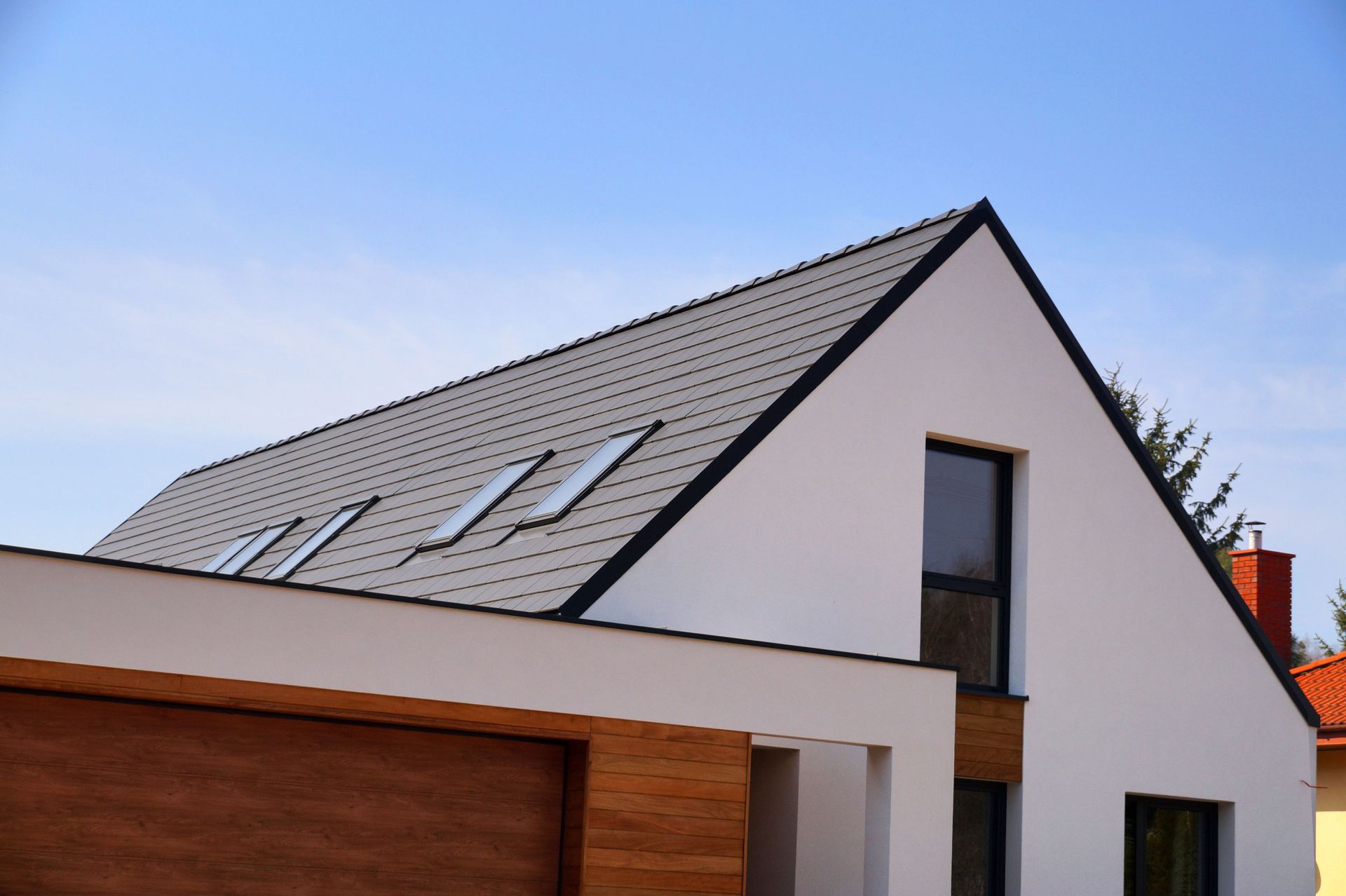
One of the first decisions homeowners face is choosing the right roofing material, as this choice influences durability, appearance, and overall cost. Asphalt shingles remain the most popular option due to affordability, ease of installation, and versatility in color and design. They typically last between 20 and 25 years, making them a practical solution for many budgets. Metal roofing, on the other hand, is gaining popularity for its exceptional durability, often lasting more than 50 years, along with its energy-efficient properties that help reflect heat and lower cooling costs.
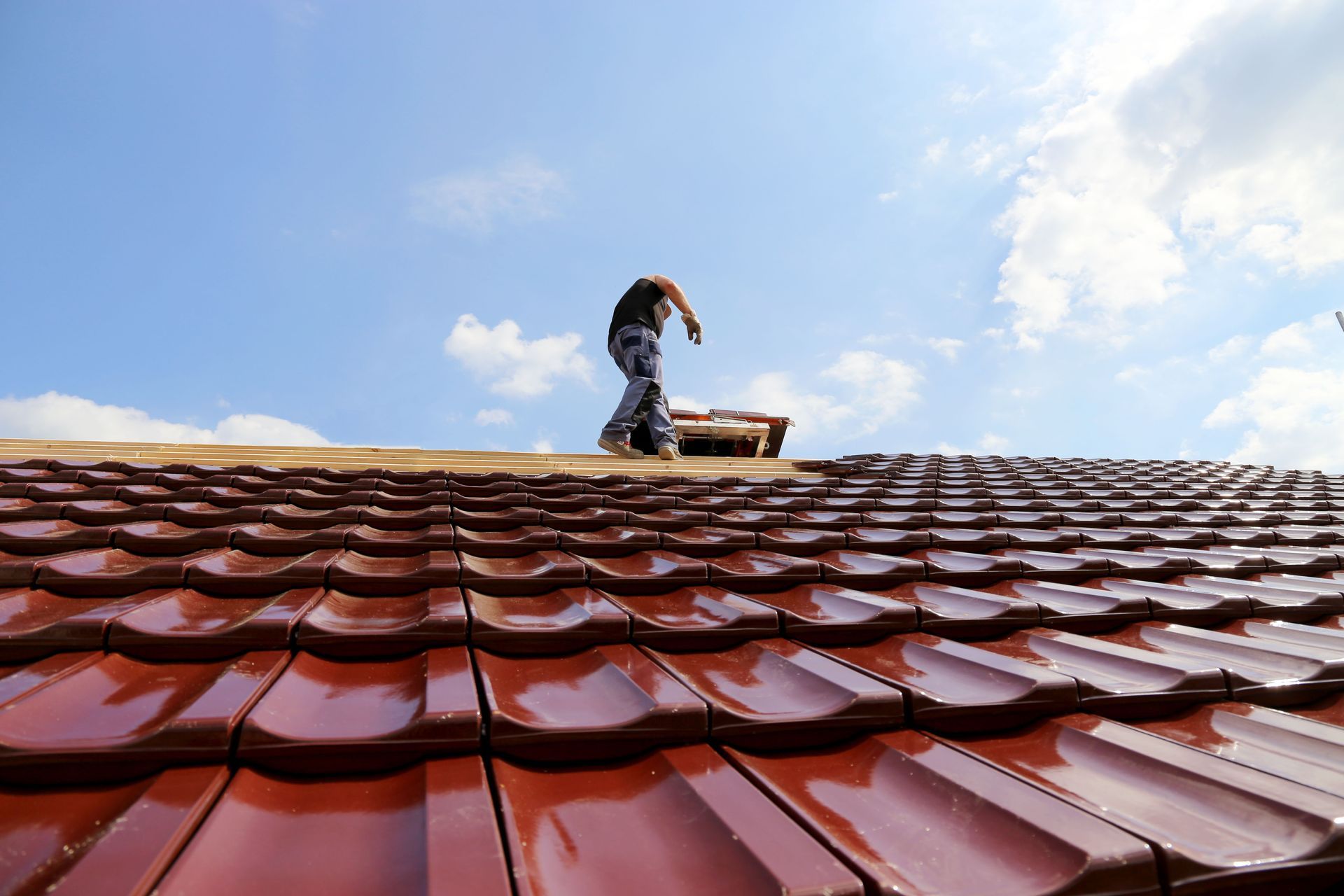
Tile and slate roofing provide unmatched elegance and longevity, sometimes lasting up to 100 years. These materials are fire-resistant, mold-resistant, and extremely durable, though their weight often requires reinforced structural support. Wood shakes and shingles offer a timeless, natural look that blends beautifully with traditional and rustic architectural styles. While visually appealing, they require consistent maintenance to prevent rot and insect damage. Synthetic and composite roofing materials offer a balance of durability, affordability, and low maintenance, mimicking premium materials while remaining lightweight and eco-friendly.
Choosing the right roofing material involves balancing style, climate conditions, budget, and long-term goals. Residential roofing contractors can provide expert recommendations based on regional weather patterns, building codes, and structural requirements. Making the right selection at the start can ensure your roof performs well for decades while complementing your home’s overall design.
2. The True Cost of Roof Replacement
Roof replacement costs extend far beyond simply purchasing new materials. Material prices vary widely, with asphalt shingles being the most affordable and slate or tile roofing representing premium investments. Labor costs also account for a significant portion of the budget, depending on roof size, pitch, complexity, and the expertise of the residential roofing contractors you hire. Additional expenses may include old roof removal, disposal fees, underlayment replacement, flashing upgrades, and structural repairs.
Permits and inspections are another necessary expense, ensuring that the project complies with local building codes and safety standards. While these fees may seem minor, they are essential for legal compliance and long-term protection. Unexpected issues, such as rotting decking or water-damaged framing, can arise once the old roof is removed. These repairs, though necessary, can increase overall costs and should be accounted for within a contingency budget.
According to Today’s Homeowner, roofs more than 20 years old often require repeated repairs, making replacement the smarter long-term decision. This statistic highlights the importance of weighing immediate repair costs against long-term savings. By planning for all potential expenses, homeowners can avoid surprises and make financially sound decisions that support both safety and durability.
3. How to Choose the Right Residential Roofing Contractors
Selecting the right professionals is one of the most critical steps in any roofing project. Reliable residential roofing contractors bring expertise, accountability, and craftsmanship that directly impact the quality and lifespan of your new roof. Homeowners should start by gathering referrals from friends, family, and online reviews, focusing on companies with consistent praise for reliability and workmanship.
Verifying licenses, certifications, and insurance coverage ensures that contractors meet industry standards and protect homeowners from liability. Manufacturer certifications are especially valuable, as they indicate specialized training and often extend warranty coverage. Reviewing portfolios of previous projects offers insight into the contractor’s experience and attention to detail.
Clear communication and detailed contracts are essential to a smooth process. Contracts should outline materials, timelines, costs, warranties, and project scope. Reputable residential roofing contractors maintain transparency throughout the project, offering regular updates and addressing concerns promptly. Strong communication helps prevent misunderstandings, keeps the project on schedule, and ensures results meet expectations. Choosing a contractor based on quality and reliability rather than cost alone can significantly impact the long-term success of your roof replacement.
4. The Role of Proper Ventilation and Insulation
Proper ventilation and insulation are fundamental to a durable, energy-efficient roofing system. Ventilation prevents heat and moisture buildup in the attic, reducing the risk of mold, wood rot, and premature shingle deterioration. Ridge vents, soffit vents, and gable vents work together to regulate airflow, ensuring balanced temperatures throughout the home. Effective ventilation not only extends roof lifespan but also enhances indoor comfort.
High-quality insulation further improves energy efficiency by minimizing heat transfer. Proper insulation keeps warm air inside during winter and cool air indoors during summer, reducing heating and cooling costs. Common insulation materials include fiberglass, spray foam, and cellulose, each offering distinct advantages depending on climate and home design.
Signs of inadequate ventilation or insulation include high humidity, condensation on windows, uneven indoor temperatures, and ice dams during winter. Addressing these issues during roof replacement allows homeowners to maximize energy efficiency while improving comfort. Skilled residential roofing contractors evaluate existing systems and recommend upgrades that align with building codes and performance goals. Investing in ventilation and insulation ensures long-term savings and enhanced living conditions.
5. Maintenance Needs and Warranty Protection
Ongoing maintenance is essential for preserving the integrity and appearance of a new roof. Regular inspections, ideally twice per year and after severe storms, help identify minor issues before they escalate. Early detection of cracked shingles, loose flashing, or clogged gutters prevents costly repairs and extends the roof’s lifespan.
Roof warranties vary by material and manufacturer, covering workmanship and product defects for different durations. Homeowners should carefully review warranty terms, including maintenance requirements that could affect coverage. Keeping documentation of inspections, repairs, and contractor communications supports warranty claims and ensures compliance. Trusted residential roofing contractors often provide guidance on proper maintenance and warranty registration, helping homeowners safeguard their investment.
6. How a New Roof Impacts Home Value and Insurance
A new roof can significantly boost a home’s market value and appeal. Fresh roofing improves curb appeal, giving potential buyers confidence in the home’s overall condition. Energy-efficient materials can further increase attractiveness by promising reduced utility costs and enhanced comfort.
Many insurance companies offer lower premiums for homes with newer, impact-resistant, or energy-efficient roofs. These discounts reflect reduced risk of damage and fewer claims. In some regions, government incentives and rebates for energy-efficient upgrades can also help offset installation costs.
From increased resale value to long-term financial savings, roof replacement offers substantial returns. Collaborating with knowledgeable residential roofing contractors ensures that material choices and installation methods align with market expectations and insurance requirements. These strategic decisions enhance property value while delivering peace of mind and long-term performance.
Replacing a roof is a major undertaking that requires thoughtful planning, informed decisions, and collaboration with skilled professionals. By understanding material options, evaluating total costs, selecting reliable contractors, improving ventilation, maintaining the roof properly, and considering long-term financial benefits, homeowners can ensure a successful and rewarding outcome. Working with trusted residential roofing contractors helps simplify the process while delivering durable, high-quality results that protect your home for decades. When you are ready to invest in expert craftsmanship and dependable service, trust LePage and Sons Roofing to deliver outstanding results and lasting peace of mind.
Share On: