How Residential and Commercial Roofing Contractors Help Property Owners Choose Cooler Roofing Options
In recent years, energy efficiency and environmental sustainability have become significant considerations for property owners upgrading their roofs. Among these considerations, cooler roofing options stand out as they provide numerous benefits in reducing energy costs and enhancing occupant comfort. This article explores how residential and commercial roofing contractors assist property owners in selecting these energy-efficient roofing solutions. By understanding different roofing materials, evaluating local climate conditions, and leveraging technological advancements, roofing contractors can guide property owners towards more sustainable decisions. Ultimately, cool roofs not only contribute to energy savings but also enhance environmental sustainability and the comfort of building occupants.
Understanding Cool Roofing Materials
Definition and Benefits of Cool Roofs
Cool roofs are designed to reflect more sunlight and absorb less heat than standard roofs, thereby reducing the roof temperature significantly. These roofs help in decreasing energy consumption needed for cooling, thereby lowering the associated costs and carbon footprint. The benefits extend beyond energy savings; cool roofs contribute to increased comfort for occupants by maintaining a cooler indoor environment during hot weather. Furthermore, by reducing the urban heat island effect, cool roofs play a role in lowering localized temperatures in urban areas. This capability not only benefits individual buildings but also contributes to the overall environmental health of a city.
Types of Cool Roofing Materials Available
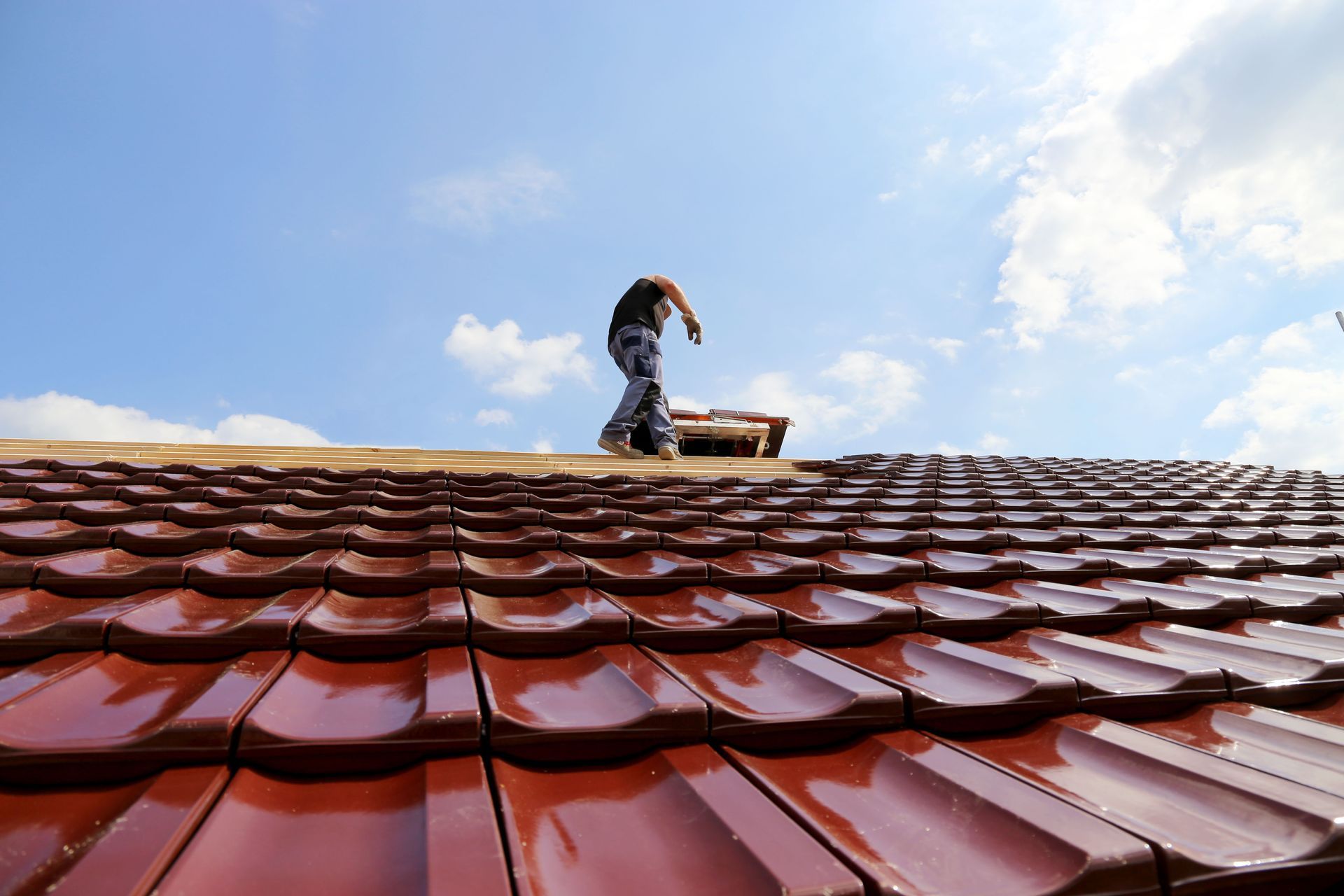
There are several types of cool roofing materials available, each offering unique benefits and considerations. Membrane roofing, often made of white TPO or PVC, is popular for commercial buildings due to its reflective properties and durability. Metal roofing, which can be coated with reflective paint, is also an effective choice for both residential and commercial installations. Additionally, shingle roofs with reflective granules are available for those desiring a more traditional appearance while benefiting from cooler temperatures. The choice of material depends on various factors, including climate, aesthetic preferences, and installation budget.
Reflective vs. Heat-Emissive Materials
Reflective materials are those designed to reflect a significant percentage of solar energy, thereby reducing the heat absorbed by the roof. In contrast, heat-emissive materials focus on dissipating absorbed heat quickly. A balance between high reflectivity and thermal emittance ensures optimal roof performance in terms of temperature regulation. According to ENERGY STAR, on a typical summer afternoon, a clean white roof that reflects 80% of sunlight can stay about 50°F cooler than a gray roof that reflects only 20% of sunlight. This difference significantly impacts energy consumption and indoor temperature control, making the choice of material a critical decision.
Impact of Color and Material on Roof Temperature
The color and material of a roof significantly affect its temperature, energy efficiency, and appearance. Lighter-colored roofs tend to reflect more sunlight, whereas darker roofs absorb more, leading to higher surface temperatures. For instance, white roofs are especially effective, reflecting up to 80% of sunlight, which helps in maintaining cooler surfaces. The choice of material also determines the durability and maintenance requirements of the roof. Combining high-reflectivity with a well-insulated underlayer can further reduce heat transfer, ensuring maximum energy efficiency for the building.
Case Studies: Successful Implementation of Cool Roofs
Numerous case studies highlight the successful implementation of cool roofs across various building types, showcasing their benefits. One notable example is a large commercial building that significantly reduced its energy bill after installing a cool roof membrane, resulting in a quicker return on investment. Similarly, a residential property owner reported improved indoor comfort and lower air conditioning costs by switching to a reflective metal roof. These real-world examples underscore the tangible benefits of cool roofs in terms of energy savings and increased occupant comfort. Contractors play a key role in guiding these positive transformations by advising on the most suitable materials and installations based on specific property needs.
The Role of Roofing Contractors in Offering Cool Roof Solutions
Advising On Suitable Materials Based on Climate
Roofing contractors are essential in advising property owners on materials that best suit the local climate conditions. Their expertise enables them to recommend options that optimize reflectivity and emissivity based on regional temperature patterns. In areas with high solar radiation, contractors may suggest materials with high solar reflectance indices (SRI) to maximize cooling effects. Additionally, they take into consideration factors like humidity and precipitation levels to recommend materials that offer both durability and performance. This tailored advice ensures that property owners receive roofing solutions that effectively balance energy efficiency and longevity.
Providing Cost-Benefit Analysis for Property Owners
Contractors help property owners understand the financial benefits of investing in cool roofing by conducting cost-benefit analyses. They evaluate the initial installation costs against the potential savings in energy expenditures and maintenance over the roof's lifespan. Often, the long-term savings and incentives make the upfront investment more appealing, especially when improved comfort and environmental sustainability are considered. By presenting a clear outline of financial implications and payback periods, contractors enable informed decision-making. This analysis is crucial for property owners, particularly in commercial settings where budget considerations are paramount.
Customizing Solutions for Residential vs. Commercial Properties
Residential and commercial properties differ significantly in their roofing needs, requiring customization in cool roof solutions. Contractors must consider various factors such as building size, design, and usage patterns to recommend appropriate materials and installation methods. For residential properties, aesthetic considerations might be more significant, influencing the choice of shingles or tiles resembling traditional styles. In contrast, commercial properties often prioritize functionality and cost-effectiveness, leading to the selection of efficient membranes or coatings. By customizing solutions, contractors ensure that each property type benefits maximally from cool roofing technologies.
Assessment of Structural Feasibility for Cool Roofs
Another critical role of roofing contractors is assessing the structural feasibility of installing cool roofs on various properties. This involves examining the existing roof's integrity, load-bearing capacity, and compatibility with cool roofing materials. Contractors must ensure that the roof structure can support additional components such as membranes or reflective coatings without compromising safety. They also address potential obstacles like drainage issues or architectural features that might impact installation. This thorough assessment ensures that the implementation of cool roofs does not adversely affect the building's overall integrity or functionality.
Installation Expertise and Ensuring Long-Term Performance
Roofing contractors bring expertise in installation, crucial for the long-term performance of cool roofs. Proper installation techniques are vital to maximizing the reflective and emissive capabilities of the chosen materials. Contractors oversee every stage from preparation to the final fit, ensuring compliance with industry standards and best practices. They also provide maintenance recommendations to prolong the roof's efficiency and lifespan. This professional involvement not only guarantees the performance of cool roofs but also reassures property owners of a worthwhile investment.
Evaluating Local Climate and Environmental Factors
Importance of Geographic Location in Roof Selection
The geographic location of a property is a critical factor in selecting an appropriate roofing system. Different regions experience varying climatic conditions that influence a roof's performance and durability. In sunny regions, high-reflectivity materials are preferred to mitigate heat gain, while in colder climates, insulation might be prioritized to prevent heat loss. Contractors adeptly assess these climatic variations to recommend cool roofs that optimize energy efficiency for the specific location. This geographical consideration ensures that the chosen roof type provides both immediate and long-term benefits to property owners.
As the benefits of cool roofing become more widely recognized, roofing contractors play a crucial role in guiding property owners towards sustainable and energy-efficient choices. Be sure to reach out to LePage and Sons Roofing today to learn more about our professional residential and commercial roofing contractors!
Share On: