Why Residential and Commercial Roofing Contractors Recommend Roof Inspections After Hailstorms
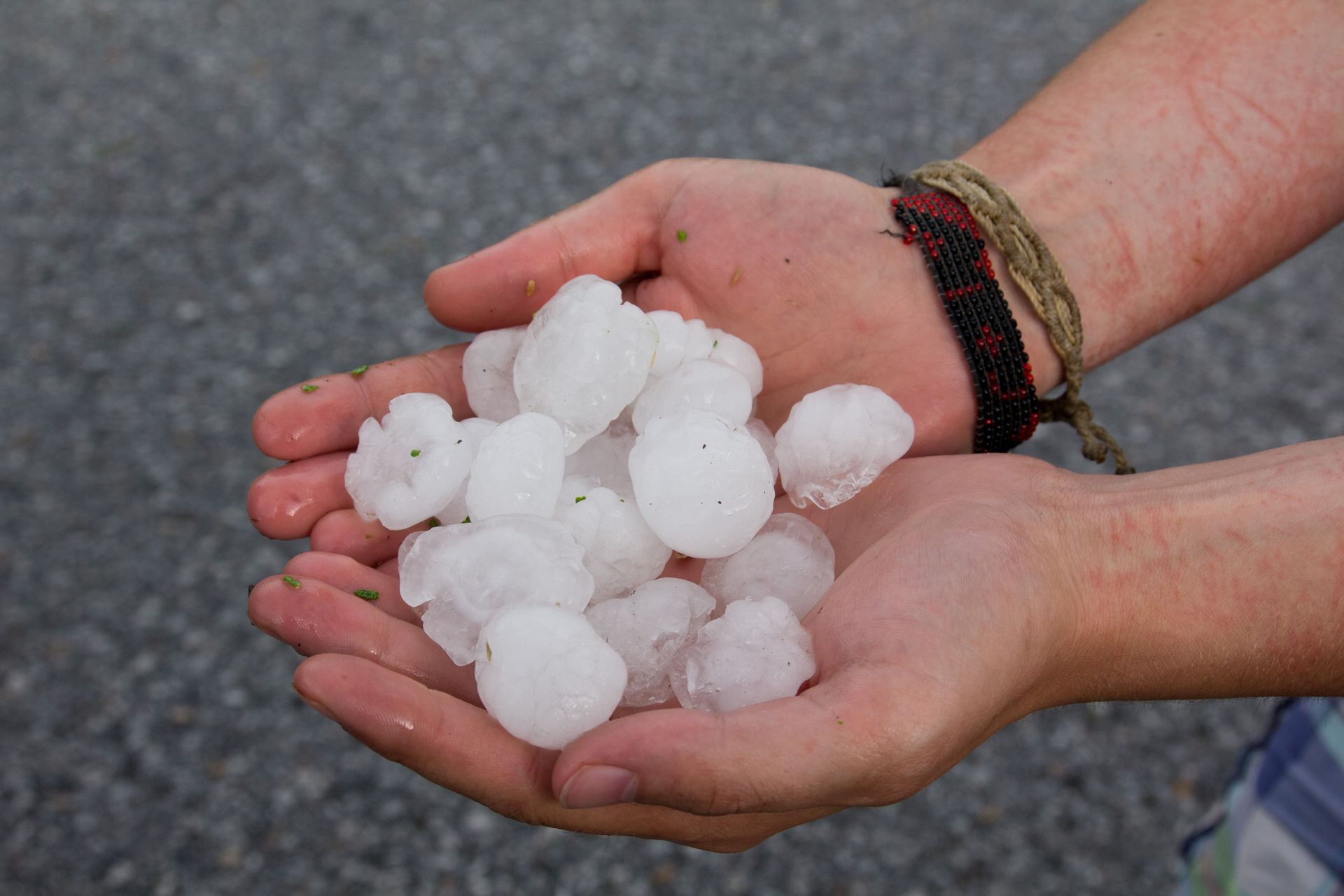
Hailstorms can cause significant damage to roofs, both in residential and commercial settings. According to the Insurance Information Institute, NOAA's National Weather Service Storm Prediction Center reported 5,432 hail events in 2025, compared to 5,373 in 2024. This highlights the frequency with which such damaging events occur. You'll find that residential and commercial roofing contractors emphasize the importance of timely roof inspections following such events. Let's explore the reasons and benefits behind these recommendations.
Preventing Further Roof Deterioration
Timely roof inspections following hailstorms are critical in preventing further deterioration of roofing materials. Hail damage, if left unchecked, can exacerbate existing vulnerabilities like small cracks or loose shingles. Over time, these issues can compound, leading to severe structural problems and water infiltration. A proactive approach involving early detection through inspections by residential and commercial roofing contractors ensures that repairs can be made before minor damage escalates. This helps in maintaining the integrity and longevity of the roofing system, ultimately saving property owners from extensive and costly repairs in the future.
Furthermore, routine inspections can detect and address subtle issues that might not be visible to the untrained eye. Residential and commercial roofing contractors equipped with specialized tools and techniques can assess the roof's current condition, identify potential weaknesses, and recommend interventions. This early intervention strategy is key to fortifying the roof against future weather events, reducing the risk of sudden failures. In the fast-changing climate, where weather patterns are becoming increasingly aggressive, consistent inspections are vital for adapting to these challenges. By ensuring that roofs are always in their optimal condition, inspections serve a preventative role in asset protection.
The concept of deterioration prevention also encompasses protecting other structural elements associated with the roof. Supports, beams, and related fixtures can be indirectly affected by roof damage, and addressing hail-induced issues on time ensures a holistic protective approach. A robust roof not only shields the building but also preserves the overall structural integrity by minimizing stress on other components. Timely interventions consequently provide comprehensive safeguarding, directly impacting property durability and safety. By preventing further deterioration, inspections contribute to the building's long-term functionality and livability.
Avoiding Costly Repairs
Post-storm inspections are a cost-efficient measure that significantly reduces the financial burden associated with roof repairs. By identifying and addressing damage early, property owners can often limit repair work to minor, inexpensive fixes rather than extensive and expensive overhauls. Small problems, if left unnoticed, can progress to critical damage requiring significant structural restoration. Inspections provide a cost-effective strategy by allowing for swift correction of issues while they are still manageable. This proactive maintenance approach can drastically reduce long-term repair expenses associated with untended hail damage.
The expense of large-scale repairs can be prohibitive for many homeowners and businesses. Total roof replacements can cost tens of thousands of dollars, depending on the size and material of the roof. Regular inspections can help avoid these large expenditures by spotting issues before they require such drastic measures. In addition, insurance claims may cover some minor repairs, but they often become less favorable when substantial damage undermines the roof's integrity. Therefore, investing in timely inspections by residential and commercial roofing contractors that prevent severe problems is financially smarter than risking the costs of major repairs.
Moreover, preventing costly repairs also involves considering the collateral damage to interior spaces that might result from neglected hail impacts. Inspections can circumvent subsequent interior damage by ensuring the roof remains an effective barrier against environmental elements. Leaks and water damage to ceilings, walls, or insulation substantially increase repair costs and can disrupt business operations or home comfort. Thus, comprehensive roof inspections post-hailstorms not only address immediate roof damage but also avert additional related expenses, enhancing overall financial security for property owners.
Ensuring Building Safety and Security
Inspections play a crucial role in maintaining building safety and security by ensuring that the roof remains sound and functional. A compromised roof can pose significant risks, such as the collapse of roof sections due to structural weaknesses or water ingress leading to electrical hazards. Both scenarios present serious safety concerns for occupants, making timely evaluations paramount. Regular inspections ensure that roofs are structurally capable of withstanding additional loads or weather events. This preserves the safety of residents and employees, fostering a secure environment.
Beyond physical safety, roof inspections ensure the security of the building and its contents. Damage that remains unresolved can lead to leaks, creating opportunities for mold growth that can negatively affect indoor air quality and lead to health problems. Furthermore, inspections also verify that roof access points and openings remain secure, preventing potential intrusions or pest infestations. A safe and secure building becomes a bastion for its inhabitants, reinforcing the sheltering purpose of the roof. Thus, inspections act as a safeguard, maintaining both the physical structure and the well-being of those within.
The inherent security in regular inspections extends to compliance with safety standards and building codes. Staying compliant is imperative, especially for commercial properties, as non-compliance could result in penalties and operational disruptions. Inspections ensure that all safety measures are met, reinforcing building integrity and safety consistently. This avoids potential legal or financial repercussions due to neglected maintenance and shows due diligence to tenants, partners, and regulatory bodies. Ensuring comprehensive safety through inspections reflects a responsible management approach to preserving the built environment.
Facilitating Insurance Claims
Another advantage of conducting prompt roof inspections post-hailstorm is the facilitation of insurance claims processes. Documented inspection reports serve as tangible evidence of the extent of damage, providing a credible basis for claims. Insurance companies often require detailed assessments to evaluate the validity and scope of claims, and professional inspection reports can streamline negotiations. This documentation makes it easier for insurers to assess damages and authorize necessary repairs, expediting claim settlements. Such professionalism in dealing with insurance matters ensures an efficient, effective recovery process for property owners.
The likelihood of a successful insurance claim is significantly enhanced when inspections are conducted by certified residential and commercial roofing contractors. Their expertise ensures comprehensive documentation that meets insurers' scrutiny, increasing the chance of favorable claim outcomes. In contrast, a lack of documentation or vague damage assessments can lead to protracted disputes or denied claims. Engaging professional services for roof inspections post-hailstorms can thus prove crucial in navigating insurance processes smoothly. These proactive measures ensure that policyholders receive appropriate and timely compensation, minimizing financial burdens associated with damage repair.
Furthermore, inspections facilitate insurance claims through consistent maintenance records, demonstrating regular care and attention to property upkeep. This active engagement with property maintenance creates a favorable impression, reflecting commitment to minimizing risks and implementing timely repairs. Such positive records can influence premium negotiations, potentially resulting in more economically feasible insurance arrangements. Proving that consistent, professional inspections are integral to property management makes the insurance claim process smoother and ensures resilience against financial surprises. Therefore, inspections not only facilitate claim success but also underpin long-term insurance sustainability.
Adjusting Maintenance Schedules
Regular inspections post-hailstorms provide critical data that informs proper maintenance scheduling and planning. Knowing the damage extent and type enables property owners to adjust maintenance frequency, prioritizing urgent repairs while planning long-term maintenance activities for less critical tasks. This leads to a more structured and effective upkeep strategy, allocating resources efficiently to the areas in most need. Inspections are thus not only reactive but proactive tools in ongoing roof care, optimizing maintenance operations, and prolonging roof life expectancy.
An informed maintenance schedule, built upon comprehensive inspection reports, also leads to better budget management. Understanding repair priorities and timelines allows allocation of funds prudently, ensuring that essential repairs are funded while planning for future needs. This organized financial approach avoids unexpected expenses by preventing cumulative damage over time. By making minor, scheduled repairs, property owners can prevent the need for drastic interventions, highlighting efficient resource utilization. Thanks to informed maintenance intervals, inspections contribute to overall financial planning, reducing the burden of unforeseen expenditures.
Timely roof inspections following hailstorms are essential for preserving the structural integrity, safety, and long-term value of both residential and commercial properties. By identifying subtle damage early, property owners can prevent progressive deterioration, avoid exorbitant repair costs, and safeguard occupants from structural and environmental hazards. Reach out to LePage and Sons Roofing today to get started with an inspection from residential and commercial roofing contractors you can depend on!
Share On: